case studies

It’s Only "Champagne" if it Comes from France

It’s Only “Champagne” if it Comes from France

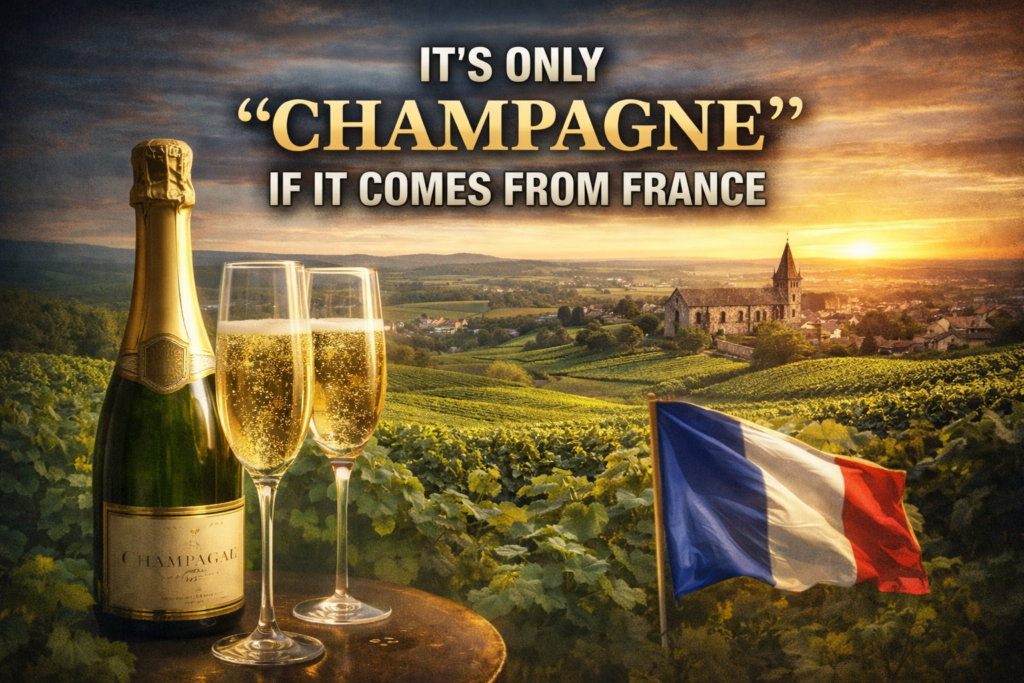
It’s Only “Champagne” if it Comes from France BAck to Case StudY Category: Geographical Indications (GI) The Backstory “Champagne” is perhaps the most famous wine in the world. But technically, it is not a type of wine; it is a place. The Comité Champagne (the trade association for independent Champagne farmers and producers) has spent decades fighting a global war to ensure that only sparkling wine produced in the Champagne region of France can carry the name. The Legal Dispute They have sued everyone from American sparkling wine producers to an iPhone case manufacturer who wanted to call a color “Champagne.” In one famous instance, they even stopped a localized Swiss village named “Champagne” from using their own town’s name on their local wine labels. The Outcome Their aggressive strategy worked. Today, almost the entire world (with a few exceptions in the US) respects the GI. It ensures that consumers know exactly what they are paying for and protects the economic livelihood of the French farmers. Key Lesson for Businesses Geography adds value. If your product’s quality is linked to its origin—like Thai Silk, Kampot Pepper, or Bali Coffee—a GI registration is a powerful tool to prevent generic competitors from cashing in on your region’s reputation. How ASEAN IPR Helps: We navigate the complex GI registration systems in ASEAN, helping local producers and international brands protect the “origin story” of their premium products. Other Case Studies Earning Your Stripes: Adidas vs. The Fashion World • December 16, 2025 • case studies Earning Your Stripes: Adidas vs. The Fashion World BAck to Case StudY  Category: Trade Dress & Visual Branding The Backstory Adidas is … The $245 Million Download: Waymo vs. Uber Category • December 16, 2025 • case studies The $245 Million Download: Waymo vs. Uber BAck to Case StudY Category: Trade Secret Theft & Corporate Espionage The Backstory Anthony Levandowski … The Monkey Selfie: Who Owns Art Created by Nature? • December 16, 2025 • case studies The Monkey Selfie: Who Owns Art Created by Nature? BAck to Case StudY Category: Copyright Ownership & Authorship The Backstory In 2011, … The Billion-Dollar Design War: Apple vs. Samsung • December 16, 2025 • case studies The Billion-Dollar Design War: Apple vs. Samsung BAck to Case StudY Category: Utility Patents vs. Design Patents The Backstory In 2011, the …

It’s Only “Champagne” if it Comes from France Read More »
Earning Your Stripes: Adidas vs. The Fashion World

Earning Your Stripes: Adidas vs. The Fashion World

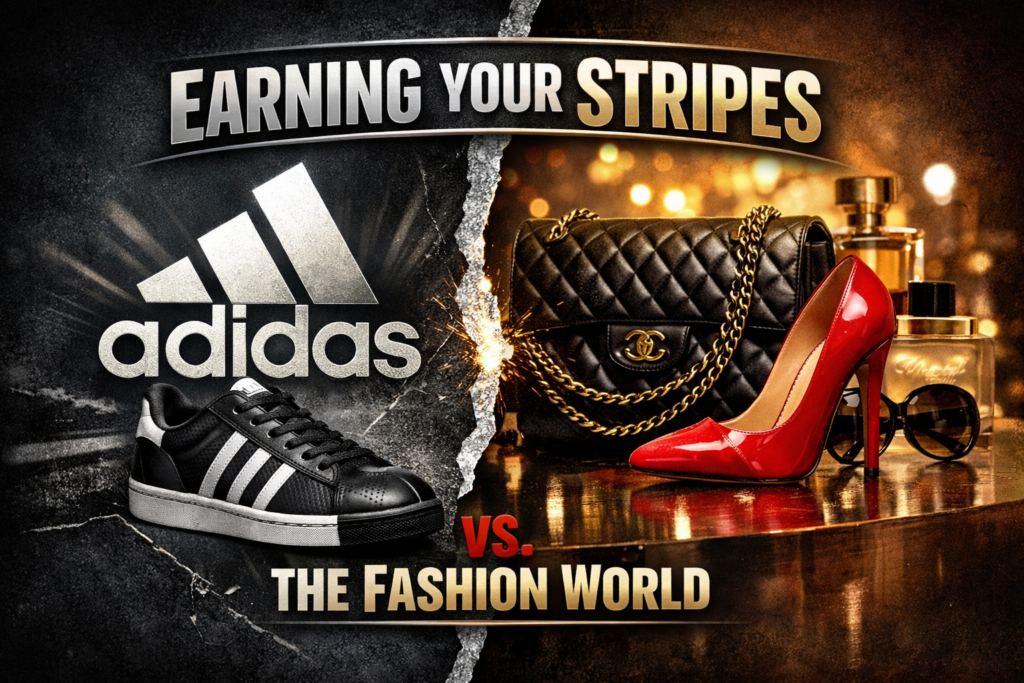
Earning Your Stripes: Adidas vs. The Fashion World BAck to Case StudY  Category: Trade Dress & Visual Branding The Backstory Adidas is synonymous with its “Three-Stripe” mark. It is a simple geometric design, but one the company defends aggressively. In 2015, fast-fashion giant Forever 21 launched a line of clothing featuring striped designs that looked strikingly similar to Adidas’ branding. The Legal Dispute Adidas sued, claiming “Trade Dress” infringement. Forever 21 fought back, arguing that “stripes” are a generic, decorative element used by everyone in fashion and that Adidas shouldn’t be allowed to monopolize them. They called Adidas a “bully” for suing dozens of brands over simple lines. The Outcome While the specific terms of the settlement remain confidential, Adidas has successfully maintained its rights. The courts have generally recognized that even a simple design element, if used consistently over decades, acquires “secondary meaning.” When consumers see three stripes on a shoe, they think “Adidas”—and that link is protectable property. Key Lesson for Businesses Simplicity is protectable. You don’t need a complex logo to have a trademark. Colors (like Tiffany Blue), sounds (like the Netflix “Ta-Dum”), and patterns (like Burberry plaid) can all be powerful assets if registered and defended. How ASEAN IPR Helps: We assist in registering non-traditional marks and Industrial Designs, helping you lock down the visual identity of your products so competitors can’t “borrow” your aesthetic. Other Case Studies It’s Only “Champagne” if it Comes from France • December 16, 2025 • case studies It’s Only “Champagne” if it Comes from France BAck to Case StudY Category: Geographical Indications (GI) The Backstory “Champagne” is perhaps the … The $245 Million Download: Waymo vs. Uber Category • December 16, 2025 • case studies The $245 Million Download: Waymo vs. Uber BAck to Case StudY Category: Trade Secret Theft & Corporate Espionage The Backstory Anthony Levandowski … The Monkey Selfie: Who Owns Art Created by Nature? • December 16, 2025 • case studies The Monkey Selfie: Who Owns Art Created by Nature? BAck to Case StudY Category: Copyright Ownership & Authorship The Backstory In 2011, … The Billion-Dollar Design War: Apple vs. Samsung • December 16, 2025 • case studies The Billion-Dollar Design War: Apple vs. Samsung BAck to Case StudY Category: Utility Patents vs. Design Patents The Backstory In 2011, the …

Earning Your Stripes: Adidas vs. The Fashion World Read More »

The $245 Million Download: Waymo vs. Uber Category: Trade Secret Theft & Corporate Espionage

The $245 Million Download: Waymo vs. Uber Category

The $245 Million Download: Waymo vs. Uber BAck to Case StudY Category: Trade Secret Theft & Corporate Espionage The Backstory Anthony Levandowski was a star engineer at Waymo (Google’s self-driving car division). He was instrumental in developing their LiDAR technology (the “eyes” of the car). In 2016, he abruptly left Waymo to start his own autonomous trucking company, Otto, which was acquired by Uber just six months later for $680 million. The Legal Dispute Waymo grew suspicious. Forensic analysis revealed that shortly before resigning, Levandowski had downloaded 14,000 highly confidential files, including blueprints for Waymo’s LiDAR systems. Waymo sued Uber, alleging that Uber’s sudden leap in self-driving tech was due to these stolen trade secrets, not independent innovation. The Outcome The evidence was damning. In the middle of the trial, Uber agreed to a settlement granting Waymo $245 million in Uber equity. Levandowski was later criminally charged and sentenced to prison for trade secret theft. Key Lesson for Businesses Patents are public; Trade Secrets are forever—but only if you protect them. Your most valuable IP might not be a patent, but a customer list, algorithm, or recipe. If an employee leaves with it, the damage can be catastrophic. How ASEAN IPR Helps: We help implement internal IP audits and Non-Disclosure Agreements (NDAs) that are enforceable across ASEAN borders, stopping data theft before it walks out the door. Other Case Studies It’s Only “Champagne” if it Comes from France • December 16, 2025 • case studies It’s Only “Champagne” if it Comes from France BAck to Case StudY Category: Geographical Indications (GI) The Backstory “Champagne” is perhaps the … Earning Your Stripes: Adidas vs. The Fashion World • December 16, 2025 • case studies Earning Your Stripes: Adidas vs. The Fashion World BAck to Case StudY  Category: Trade Dress & Visual Branding The Backstory Adidas is … The Monkey Selfie: Who Owns Art Created by Nature? • December 16, 2025 • case studies The Monkey Selfie: Who Owns Art Created by Nature? BAck to Case StudY Category: Copyright Ownership & Authorship The Backstory In 2011, … The Billion-Dollar Design War: Apple vs. Samsung • December 16, 2025 • case studies The Billion-Dollar Design War: Apple vs. Samsung BAck to Case StudY Category: Utility Patents vs. Design Patents The Backstory In 2011, the …

The $245 Million Download: Waymo vs. Uber Category Read More »

A macaque monkey curiously examines its reflection in a handheld mirror outdoors.

The Monkey Selfie: Who Owns Art Created by Nature?

The Monkey Selfie: Who Owns Art Created by Nature? BAck to Case StudY Category: Copyright Ownership & Authorship The Backstory In 2011, British nature photographer David Slater traveled to Indonesia to photograph the crested black macaque. During the shoot, a macaque named “Naruto” hijacked Slater’s camera and snapped several photos, including a now-famous, perfectly framed selfie. The image went viral globally. The Legal Dispute When Slater tried to license the image, Wikipedia and other platforms hosted it for free, arguing that Slater didn’t take the photo—the monkey did. Since animals cannot hold copyright, they argued the image was in the public domain. PETA (People for the Ethical Treatment of Animals) then stepped in, suing Slater on behalf of Naruto, claiming the monkey should own the copyright and receive the royalties. The Outcome The court ultimately ruled against PETA and Naruto. The judge declared that under current US law, animals cannot hold copyright protection; authorship is strictly limited to humans. However, the lengthy legal battle left Slater nearly bankrupt, despite the photo’s fame. Key Lesson for Businesses Ownership must be clear. This case is a bizarre extreme, but the principle applies to AI and employees. If an AI generates your logo, or a freelancer takes your photos without a contract, who owns it? Copyright isn’t always automatically yours. How ASEAN IPR Helps: We draft airtight “Work for Hire” and assignment agreements, ensuring that every creative asset your company pays for is legally owned by you, not the creator (or a monkey). Other Case Studies It’s Only “Champagne” if it Comes from France • December 16, 2025 • case studies It’s Only “Champagne” if it Comes from France BAck to Case StudY Category: Geographical Indications (GI) The Backstory “Champagne” is perhaps the … Earning Your Stripes: Adidas vs. The Fashion World • December 16, 2025 • case studies Earning Your Stripes: Adidas vs. The Fashion World BAck to Case StudY  Category: Trade Dress & Visual Branding The Backstory Adidas is … The $245 Million Download: Waymo vs. Uber Category • December 16, 2025 • case studies The $245 Million Download: Waymo vs. Uber BAck to Case StudY Category: Trade Secret Theft & Corporate Espionage The Backstory Anthony Levandowski … The Billion-Dollar Design War: Apple vs. Samsung • December 16, 2025 • case studies The Billion-Dollar Design War: Apple vs. Samsung BAck to Case StudY Category: Utility Patents vs. Design Patents The Backstory In 2011, the …

The Monkey Selfie: Who Owns Art Created by Nature? Read More »

The Billion-Dollar Design War: Apple vs. Samsung

The Billion-Dollar Design War: Apple vs. Samsung

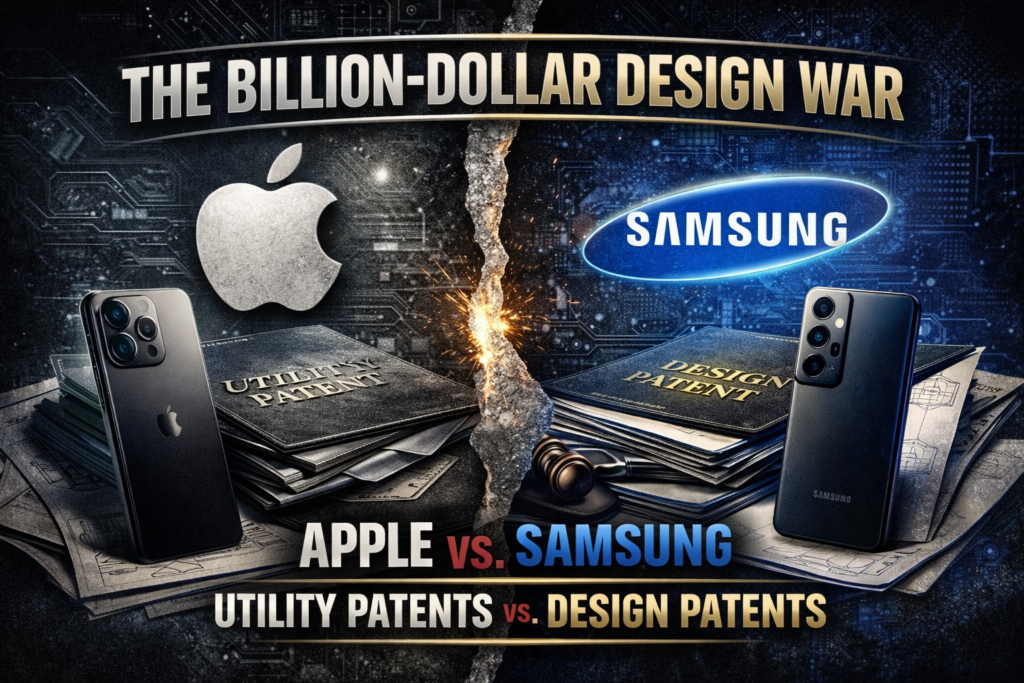
The Billion-Dollar Design War: Apple vs. Samsung BAck to Case StudY Category: Utility Patents vs. Design Patents The Backstory In 2011, the smartphone market was exploding. Apple, the creator of the iPhone, noticed that Samsung’s new Galaxy line looked suspiciously familiar. The devices shared the same rounded corners, the same grid of colorful icons, and similar bezel designs. Apple didn’t just stay quiet; they launched one of the most aggressive patent lawsuits in history. The Legal Dispute Apple accused Samsung of “slavishly copying” the iPhone. They sued on two fronts: Utility Patents: The functional tech (e.g., the “bounce-back” effect when you scroll to the bottom of a list). Design Patents: The aesthetic look (e.g., the black rectangular face with rounded corners). Samsung countersued, claiming Apple infringed on their mobile communication patents. The trial spanned four continents and involved billions of dollars in legal fees. The Outcome The US jury originally awarded Apple a massive $1.05 billion in damages. While this amount was later reduced and eventually settled, the verdict sent a shockwave through the tech world: Design matters. It proved that the “look and feel” of a product is just as valuable intellectual property as the technology inside it. Key Lesson for Businesses Never ignore Industrial Design protection. Many businesses patent their technology but forget to protect the appearance of their product. In consumer markets, the “look” is often what drives sales. How ASEAN IPR Helps: We help you layer your protection—filing Utility Patents for your function and Industrial Design registrations for your aesthetics—ensuring competitors can’t copy any part of your success. Other Case Studies It’s Only “Champagne” if it Comes from France • December 16, 2025 • case studies It’s Only “Champagne” if it Comes from France BAck to Case StudY Category: Geographical Indications (GI) The Backstory “Champagne” is perhaps the … Earning Your Stripes: Adidas vs. The Fashion World • December 16, 2025 • case studies Earning Your Stripes: Adidas vs. The Fashion World BAck to Case StudY  Category: Trade Dress & Visual Branding The Backstory Adidas is … The $245 Million Download: Waymo vs. Uber Category • December 16, 2025 • case studies The $245 Million Download: Waymo vs. Uber BAck to Case StudY Category: Trade Secret Theft & Corporate Espionage The Backstory Anthony Levandowski … The Monkey Selfie: Who Owns Art Created by Nature? • December 16, 2025 • case studies The Monkey Selfie: Who Owns Art Created by Nature? BAck to Case StudY Category: Copyright Ownership & Authorship The Backstory In 2011, …

The Billion-Dollar Design War: Apple vs. Samsung Read More »

Close-up of a Starbucks coffee cup on a wooden table in a cozy café setting.

Starbucks vs. “Charbucks”

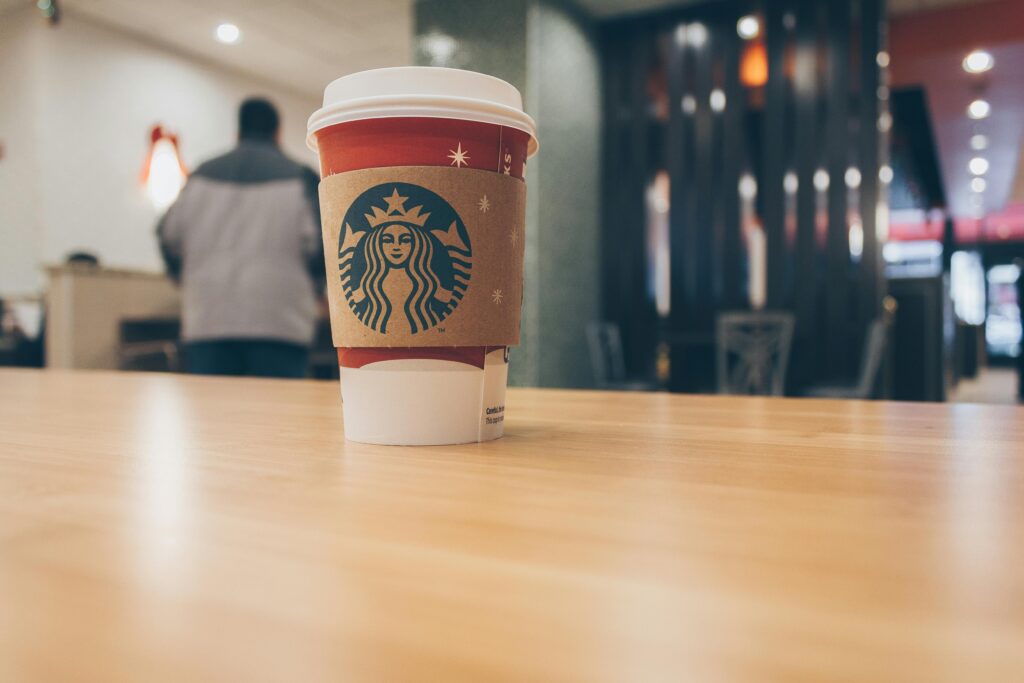
The Battle of the Brands: Starbucks vs. “Charbucks” BAck to Case StudY Category: Trademark Dilution & Brand Identity The Backstory Starbucks is arguably the most recognizable coffee brand in the world. Their green siren logo and specific naming conventions (Frappuccino, Macchiato) are fiercely protected assets. However, in the late 1990s, a small family-owned roaster in New Hampshire, USA, called “Black Bear Micro Roastery,” released a dark-roasted blend named “Charbucks.” It was arguably a playful jab at Starbucks’ reputation for over-roasting beans. The Legal Dispute Starbucks sued, not for simple infringement (confusion), but for Trademark Dilution. They argued that the name “Charbucks” blurred the distinctiveness of the famous Starbucks mark and tarnished their reputation by associating their brand with a negative term (“Char” implies burnt). The battle dragged on for over a decade. The central question for the courts was: Does a parody product actually harm the famous brand, even if consumers aren’t confused? The Outcome Surprisingly, Starbucks lost the initial dilution claim. The court ruled that “Charbucks” was distinct enough and that consumers were unlikely to associate the high-end Starbucks experience with the “Charbucks” blend in a way that damaged the brand. However, the legal pressure eventually forced the smaller roaster to pivot. Key Lesson for Businesses This case highlights the concept of “Dilution.” You don’t just protect your logo from copycats; you protect your brand’s reputation. Even if a competitor isn’t stealing customers, if they are mocking or degrading your brand name, you may have grounds for legal action. How ASEAN IPR Helps: We monitor the market not just for identical copies, but for “lookalikes” and parodies that threaten to dilute your brand’s value in Southeast Asia. Other Case Studies It’s Only “Champagne” if it Comes from France • December 16, 2025 • case studies It’s Only “Champagne” if it Comes from France BAck to Case StudY Category: Geographical Indications (GI) The Backstory “Champagne” is perhaps the … Earning Your Stripes: Adidas vs. The Fashion World • December 16, 2025 • case studies Earning Your Stripes: Adidas vs. The Fashion World BAck to Case StudY  Category: Trade Dress & Visual Branding The Backstory Adidas is … The $245 Million Download: Waymo vs. Uber Category • December 16, 2025 • case studies The $245 Million Download: Waymo vs. Uber BAck to Case StudY Category: Trade Secret Theft & Corporate Espionage The Backstory Anthony Levandowski … The Monkey Selfie: Who Owns Art Created by Nature? • December 16, 2025 • case studies The Monkey Selfie: Who Owns Art Created by Nature? BAck to Case StudY Category: Copyright Ownership & Authorship The Backstory In 2011, … The Billion-Dollar Design War: Apple vs. Samsung • December 16, 2025 • case studies The Billion-Dollar Design War: Apple vs. Samsung BAck to Case StudY Category: Utility Patents vs. Design Patents The Backstory In 2011, the …

Starbucks vs. “Charbucks” Read More »